
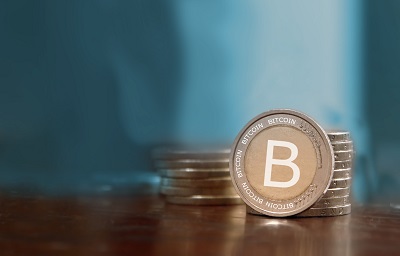
Lately, both the Internet and traditional media have been abuzz, analyzing Bitcoin and its exploding popularity.
Since its inception in 2009, the new “crypto” currency has gone from roughly $2 per bitcoin to more than $1000.
We’ve heard that some long-term gold bullion investors are intrigued by bitcoins as an alternative means of exchange, so we wanted to take a closer look.
What is Bitcoin?
Bitcoin is an open source software, digital currency and peer-to-peer payment system. It works by using cryptography to control the creation and transfer of “bitcoins,” or the individual units of “currency.” New bitcoins are created by miners who verify and timestamp transactions on the system.
Proponents of the Bitcoin system hail it for its anonymity.
No bank or clearinghouse is required to process a transaction between two parties. The system is completely decentralized and free from government interference or outright control. Some believe bitcoins could one day rival the U.S. dollar.
This Wiki lists the companies that accept bitcoins as payment. Overstock.com is a major online retailer that accepts the currency, and rumor has it eBay is exploring it, too.
Bitcoin: A New Way of Conducting Trade?
The creators of Bitcoin — known by the pseudonym Satoshi Nakamoto — have clearly developed an interesting new way to trade. However, the jury is still out on whether bitcoins are actual money.
What’s especially interesting is the debate between advocates of free market, or hard money.
One side of the debate, represented by economists like Jeffrey Tucker, explains that bitcoins are scarce since the source code limits them to 21 million units. They are also highly portable, especially when compared to gold and silver coins.
Tucker claims that bitcoins are uniform, and that they’re even more durable than precious metals, since you can’t scratch and dent them.
In the end, since Bitcoin is used without coercion and legal compulsion, it functions as free market money, according to Tucker.
However, an economist with a similar background in the Austrian school has a different view. Gary North is not impressed with bitcoins and predicts they will go down as the second biggest Ponzi scheme in history. (He considers Social Security to be first.)
North explains that since the value of bitcoin fluctuates wildly, it isn’t money.
For example, if you decide to pay for your meal at a restaurant in bitcoins, it’s possible the price of your meal can double and then drop back below the original price before you finish your main course.
He’s also skeptical that bitcoins will widely be used to facilitate exchange.
Citing Gresham’s Law, if bitcoins are actually increasing in value, people will hold onto them and get rid of money/assets that are falling in value. Part of this is the Ponzi scheme psychology he explains. If bitcoins go to $1000, people will hold onto them in hopes they double to $2000.
North also explains that the creators — and those who got into Bitcoin early — will likely do quite well. But if (and when) new buyers quit coming, the value of bitcoins will plummet.
Can Bitcoin Replace Investing in Gold and Silver?
While exciting, we don’t believe bitcoins should be considered an alternative investment. They may be novel, sure — if you can get any. Bitcoins’ value fluctuates wildly, and they are completely digital.
Like Warren Buffett says, you can hold gold, silver and other precious metals in your hand. If you needed to use it for trade, you could — regardless of conditions on the ground.
Bitcoins on the other hand require a network, the Internet and electricity.
Besides these fundamental shortcomings, it’s really too early to tell. Gold and silver have been around for centuries.
Bitcoin just marked its fifth anniversary.
What Do You Think?
Are bitcoins an emerging currency alternative, or just another fad?
Would you consider reducing your gold and silver coin purchases, and opt for bitcoins instead?
Join the conversation by leaving a comment below, or connect with us on Facebook and Twitter today.

