
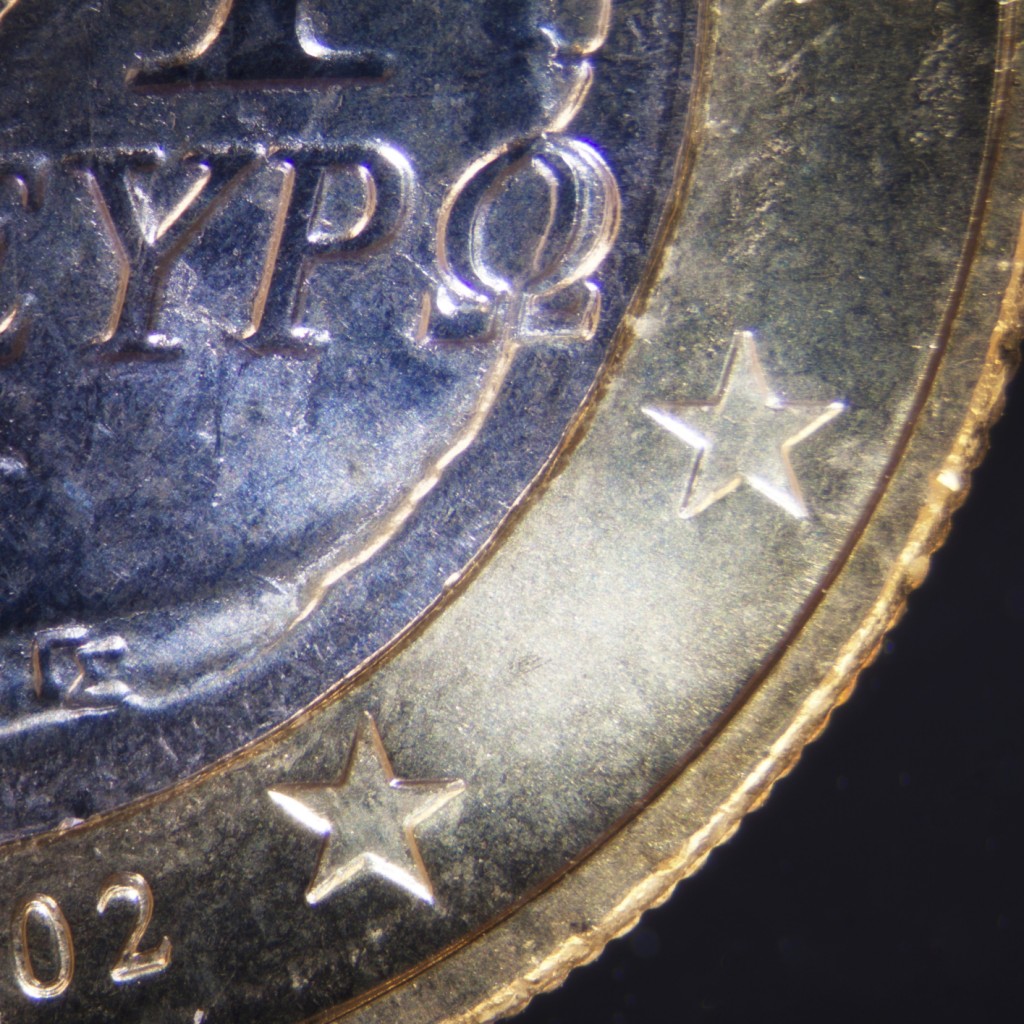
The ancient country of Greece has a very rich and distinguished history in matters of philosophy, science and the arts. But, unfortunately, modern Greece is struggling with a poor and lackluster economy.
Prime Minister of Greece Alexis Tsipras and German Chancellor Angela Merkel met in Berlin last Monday (3/23) to try to reach some sort of agreement over Greece’s looming debt crisis, but initial reports indicated that the two leaders aren’t any closer to resolving the country’s financial woes.
This isn’t the first time Greece has faced an economic meltdown. If you remember, in 2012 the country received help from the European Union (EU) to the tune of a $272.5 billion (US) bailout program. That program expired on Feb. 28, leaving the rest of the world to ponder what’s next.
What Happens If…?
So far, the tension caused by the Greece debt crisis has had a boosting effect for gold, though perhaps not as strong as some investors might have hoped. Gold futures rose for four straight days the week of March 16-20 (ending with a 2.8% gain for the week), and prices are set to continue rising on the back of Athens’ ongoing tug-of-war with Europeans creditors.
During the 2012 bailout, gold prices dropped substantially as the U.S. dollar made serious gains on the weakened euro and investors turned to paper assets. Investors can likely expect something similar to take place if Greece gets another bailout.
However, if Greece decides to leave the Eurozone, there could major repercussions not just in Europe, but for the global economy at large. The EU, of which Greece plays a major role, accounts for one-fifth of global trade, says the Financial Post. As of 2013, the Greek economy was ranked 37th in the world for nominal GDP per capita and 40th for purchasing power.
Possible consequences of Greece leaving the Eurozone, or a “Grexit” as it’s being called, include:
- Francs, lira and deutsche marks could make a comeback.
- Major devaluation of the euro (if the currency doesn’t breakdown altogether), causing European investors to liquidate their euro-based assets en masse and flee to safer investments and/or foreign currencies.
- On top of the Russia-Ukraine conflict, the loss of Greece could put Europe in an economic slowdown that would have a damaging effect on global exports and world markets, such as energy.
If, on the other hand, European creditors reach an agreement with Greece and the looming Grexit is averted, many believe an entirely different set of consequences would likely ensue.
Politicians from other nations in the EU believe that if Greece stays with the euro, “it means more aid packages and the pyramid scheme continues” – that’s according to Finland’s populist opposition leader.
Opponents of another Greece bailout argue that keeping the bankrupt county in the EU will have unintended consequences, such as:
- Forcing other already burdened European economies – like Finland who is in the midst of a 3-year recession – to send aid packages and bailouts to Greece.
- Only temporarily “patching up” a broken Eurozone system.
- Providing cash assistance to Greece even though they haven’t fulfilled their promised economic reforms, which only weakens the political clout of the EU and sets up another bailout in the future.
As time runs short to end to the Greece debt crisis, Wall Street will surely be keeping a close eye on Athens and Berlin when deciding which commodities to buy and sell – gold, silver and other precious metals included.
What’s your take on the Greece debt crisis?
Start the conversation by leaving a comment below or on Facebook.

