
Mark Twain, one of America’s most-renowned authors once wrote: “No occurrence is sole and solitary, but is merely a repetition of a thing which has happened before, and perhaps often.”
In other words: history often repeats itself.
While some might find this discouraging news, the upside is that history can also be used as a lens through which to view the past, in order to predict (and change) the future.
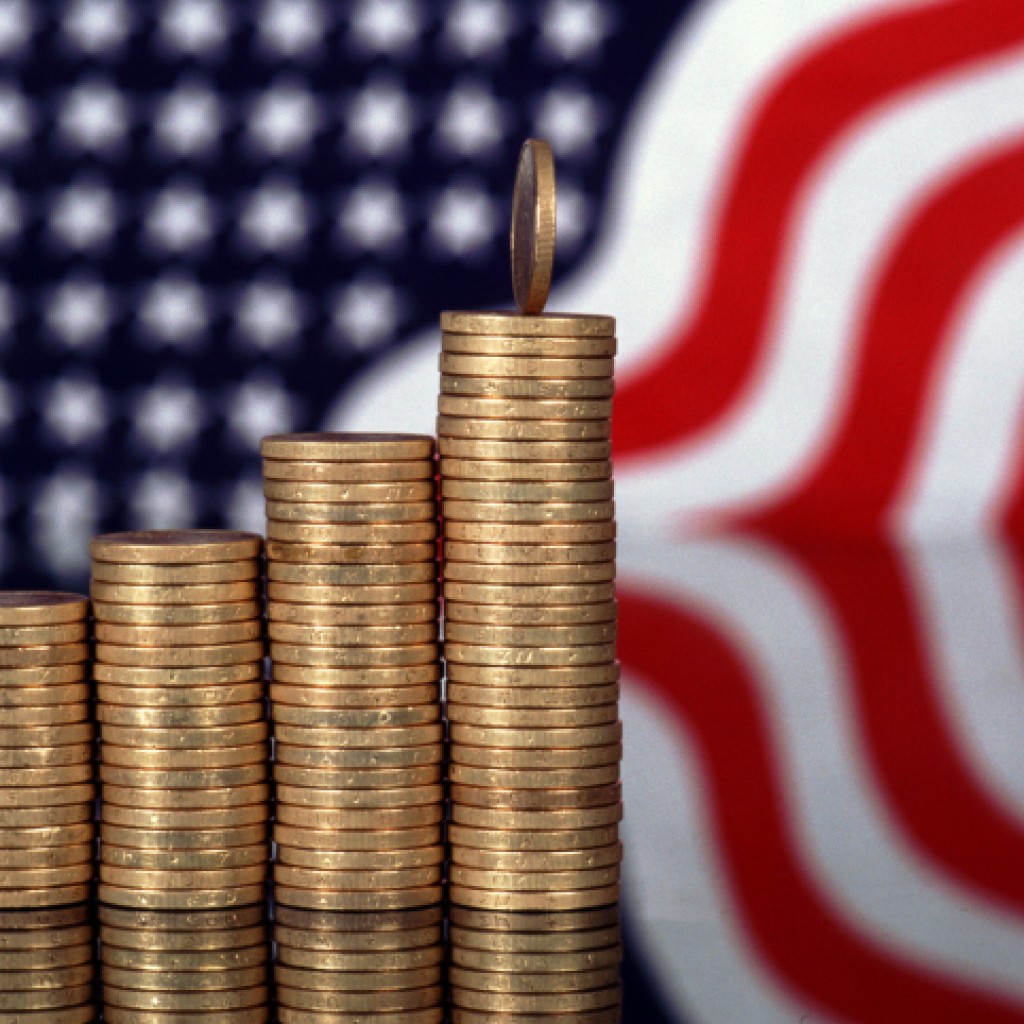
For investors, the rise and fall of the gold standard in America is a particularly interesting history lesson, especially in light of our current struggle to revive the economy.
For instance, how did a broke agricultural nation of 4 million people grow to become the “premier industrial power in the world” less than 100 years after scraping together independence from England?
In a recent Forbes article titled Linking The Dollar To Gold: Completing The Recipe For Restoring An Economic Boom For America, contributor Peter Ferrara discusses this very topic, and how our current economic woes might be solved by taking a cue from the past.
Birth of a Nation and the Gold Standard
In 1789, less than five years after the costly and hard-won Revolutionary War, President George Washington appointed Alexander Hamilton as the country’s first Secretary of Treasury.
The new nation was already drowning in debt from financing the war, and Spanish coins were still widely in use since there was no national currency.
Hamilton’s first act was to solidify America’s creditworthiness, which was recognized by America’s AAA credit rating for more than two centuries until 2011, when over-spending led to the first credit downgrade in our history.
More importantly, however, Hamilton ensured the nation’s long-term economic health and growth with the Coinage Act of 1792, establishing the first U.S. Mint and fixing the dollar at $19.39 per ounce of gold.
“Hamilton’s system of banking and stable money quickly attracted and generated capital,” says Forbes. “It turned the American economy into the leading industrial power in the world.”
Under the gold standard, the U.S. economy boomed at an extraordinary four percent rate. If that rate still held true today, our economy, incomes and standard of living would double every 17 years.
This was the foundation of the “American Dream.”
Unfortunately, the prosperity didn’t last. After trudging through two world wars and the Great Depression, President Nixon took America (and the world) off of the gold standard on August 15, 1971, replacing it with non-backed fiat currencies.
“Nixon and his advisors mistakenly believed that this would help the economy by promoting American exports, which Forbes recognizes as 18th century mercantilist thinking,” writes Ferrara.
Since the gold standard was abandoned, though, annual U.S. economic growth has averaged three percent — that’s 25 percent less than long-term economic trends when America was on the standard.
Economic Benefits of Gold
In terms of economic advantages, fixing currency to gold is positive for many reasons — one of which is that the Gold Standard assures long-term economic stability by offering low inflation/deflation rates and enabling a nation’s money to serve as a “ruler,” measuring value.
Similarly, gold investors can be confident that their return on investment will have the same if not higher value when they sell it in the future.
This is one of the key reasons investing in gold is one of the best ways to hedge your wealth against currency depreciation and bring stability to your portfolio.
Protect your savings by ordering gold bullion and coins from Provident Metals today. We also encourage you to learn more about the long history of gold as currency dating all the way back to Stone Age by checking out our Knowledge Center article: The History of Money – A Walk through Time.
What other things could we learn from our nation’s past?
Tell us what you think by leaving a comment below, or drop us a line on Facebook, Twitter and Google+ today.

