

If you’re one of the many Americans with an interest in buying precious metals and even took part in this market in 2018, you might be questioning when, or if, you have to pay taxes on your purchases. Taxes can be a difficult thing to consider when it comes to assets. While federal regulations might dictate the ways in which some items are taxed, taxation ultimately comes down to the state in which you reside. For this reason, with Tax Day no more than a month away, it’s worth your time to consider how tax legislation might affect you.
Back in 1992, the Supreme Court of the United States made a ruling that affected the way in which individual states interact with online dealers. In Quill Corp v. North Dakota, the Supreme Court ruled that Quill Corp did not have to collect tax on its sales within the state, simply because they were not located in-state. Last year, on June 21, 2018, the Supreme Court made a decision that seemed to overturn the 1992 ruling that was in favor of Quill.
In South Dakota v. Wayfair Inc., the Supreme Court ruled in favor of the state, which argued that it had been missing out on much-needed local sales taxes due to shoppers flocking to online stores, making it so online retailers now had to collect taxes on purchases based on state-mandated rules and regulation in the U.S. For this reason, tax laws must be enforced on purchases within a number of states in the U.S., depending solely on the regulations within each state.


The issue at hand is that precious metals sales, which are already taxed regarding capital gains, will also be open to sales tax, dependent on the state; furthermore, states that want to further enforce their sales tax laws through online retailers—to receive the money they believe they are rightfully owed—have the legality to fight for this money now. On the other hand, the benefit is that this might not be a ruling held forever, particularly for the precious metals market, as precious metals advocates have been attempting to remove state sales taxes from affecting such sales. Also, many states in the U.S.—37 of them—have lessened or exempted state sales tax from influencing purchases whenever you buy precious metals.
What It Means to the Buyer
So, what does this all mean? It means that you, as a buyer, should be aware of whether or not you’ll have to pay sales tax when you buy precious metals from an online retailer. While some states will require sales tax to be paid, others will not. Also, some states might make you pay a sales tax on precious metals purchases, but only up to a certain value—e.g., some states will make you pay a sales tax on purchases under $1000 but not over $1000.
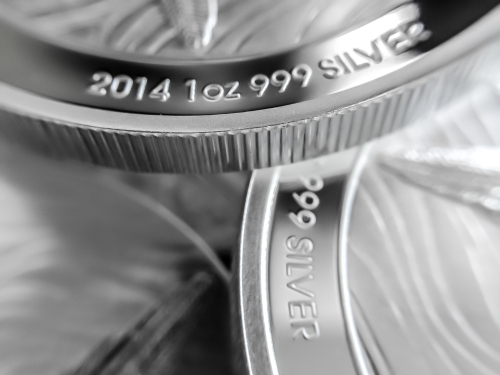

The primary issue, again, is that the way the state views your purchase when you buy precious metals is entirely decided by them. While precious metals such as gold and silver are usually bought and sold as investments or forms of currency, some states still view them as physical property. Hopefully, the perception of precious metals will change with time, viewed as investment materials across the United States, but, until then, it is in your best interest to see how your state views your purchases. If you are unsure of whether or not your purchase qualifies for state taxes within your state, you should consult your tax adviser or CPA just to be sure. Although this is not a comprehensive list, here is a list of states that do require a sales tax to be paid for precious metal purchases:
- Arkansas
- California
- Connecticut
- Washington, D.C.
- Florida
- Hawaii
- Indiana
- Kansas
- Kentucky
- Louisiana
- Maine
- Maryland
- Massachusetts
- Michigan
- Minnesota
- Mississippi
- Nevada
- New Jersey
- New Mexico
- New York
- North Dakota
- Oklahoma
- Tennessee
- Vermont
- Virginia
- West Virginia
- Wisconsin
If you have any questions regarding how sales taxes will apply to you and your state of residence, remember that Provident Metals is here to help with all of your precious metal needs!

