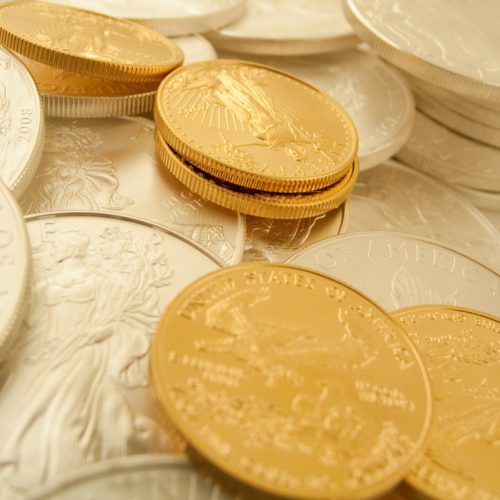
Diversifying your investment portfolio with precious metals is a great idea. Don’t just take our word for it – professional economists will tell you the same thing. With precious metals you can reduce inflation risks while ensuring your portfolio withstands the test of time.
Gold, silver, platinum, and palladium are all examples of how precious metals retain their value despite economic woes. If you plan on creating your own precious metals portfolio though, you should first answer these 3 key questions:
What are Your Intentions?
Investors buy precious metals for a variety of reasons. Some access the market to diversify their cash value. Others invest hoping for long-term appreciation. Either way, if you plan on buying, odds are you plan on selling eventually. Anyone involved in precious metal investing hopes the value of their bullion goes up.
However, the volatility of the market makes profiting a bit tricky. By knowing your intentions, such as your investment goals and timeframe, you can determine what type of precious metal investment will offer the best return for you.
Which Metals Should You Choose?
Are you choosing to invest for the long term or are you hoping for a quick gain? Are you looking for something secure or do you want a metal that may have a greater appreciation over time? These questions, among others, may help you determine which metals are best for you.
In short, gold tends to be more secure, with a steady appreciation. However, silver bullion is a cheaper commodity with an industrial worth that may sway the metals value. Platinum and palladium also have industrial value but come at a higher cost.
These details, combined with your investment intentions, should help narrow down your choices, making your precious metals portfolio a smooth venture. Just be sure to stay on top of the market.
How Should You Invest?
Precious metal investing comes in various forms. The most significant ways you can invest are by buying bullion directly, investing in an ETF (Exchange Traded Fund), or by investing in mining stocks. Each option comes with its pros and cons.
Buying Physical Bullion is relatively simple. Investors can do so by purchasing coins or bars. But buying physical bullion comes with added cost, such as storage, transportation and taxes.
Investing in an ETF allows you to purchase shares that have physical representation of precious metals. This may help investors who prefer to avoid the hassle of owning physical bullion. However, some investors are leery (for good reason) of investing in a representation of the metal rather than the real deal.
Investing in Mining Stocks can be riskier if the investor does not have a sound knowledge of mining operations. Miners are susceptible to political and economic turmoil. However, if you’re interested in broadening your precious metals portfolio, investing in miners is another way of entering the market.
Provident Metals is all about helping you make the best precious metals investing decisions. If you’d like to learn more about creating a precious metals portfolio, visit our blog or knowledge center.




Leave a Reply