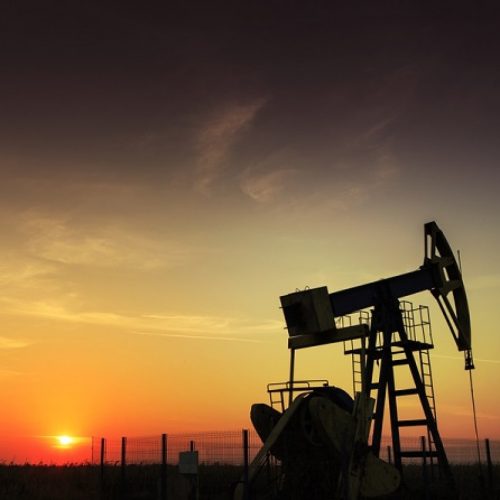
The controversial drilling method for extracting oil from underground layers of shale rock — known as “fracking” — has created a divide in public opinion, while simultaneously growing as a common practice.
Naysayers cite the very real danger of underground water contamination because of toxic chemicals, while those in favor of the technique argue it results in a decreased dependence on foreign oil — specifically from OPEC-member nations.
But maintaining water quality and attaining oil independence aren’t the only concerns. Economic forecasters anticipate fracking could have a major impact on the gold market.
Yellow Metal and Black Gold: A Complicated Relationship
Off the top of your head, you can probably guess a few ways oil and gold intersect.
For one, they are both connected to the commodities market. Secondly, the price of oil has a direct influence on the delivery of physical gold bullion. So when gas prices soar, it costs more to transport gold to the buyer or storage facilities.
Yet the link between oil and gold goes much deeper, and to understand how deep, you need to know how oil is purchased.
The United States dollar is still the primary currency for buying and selling oil for the time being. Right now, most nations have to sell their currency for U.S. dollars, and use those dollars to buy oil.
This is why the U.S. dollar continues to reign as the global reserve currency, though the winds seem to be changing.
China and the United States Dollar
China, which has made it crystal clear it wants to be independent of the United States and the dollar, is swiftly gaining ground in the global marketplace. And the republic is not pleased about using American money to buy oil.
To get around it, China (alongside a growing number of countries) is arranging swap agreements that allow it to exchange oil with Yuan, sidestepping the U.S. dollar altogether.
Once these countries wean themselves off American currency, the dollar will take a big hit as it loses status as the only currency accepted to buy oil.
Since fracking allows the U.S. to gradually decrease its demand for oil from the Middle East, major suppliers in the region — like Saudi Arabia — are turning to China, where demand for foreign oil is growing.
The Implications for Gold
The currency shift is significant to the value of gold. As other forms of currency encroach on the U.S. dollar, its overall global value will diminish.
Consequently, the demand for physical gold is likely to skyrocket to fill the confidence-gaps left by the diminishing role of American paper currency.
Though it’s impossible to predict the future — especially for something as entangled and complicated as the global economy — savvy investors pay close attention to these trends and shifts, taking action to hedge against future losses.
Visit our Investors’ Knowledge Center to learn about buying gold to safeguard your wealth against currency depreciation.
Will oil dependency and a growing Chinese economy diminish the global value of the U.S. dollar?
Leave us a comment below or connect with us via Facebook, Twitter and Google+.




Maybe! But what really diminishes the global value of the dollar is when the Fed cranks up the printing presses!!
It’s inevitable.