The rate of inflation — as measured by the Federal Reserve’s preferred price index — rose to its highest annual rate in three years during the second quarter, hinting that the United States economic recovery could prove more challenging than anticipated.
During the April-June period, the PCE index surged to 2.3 percent, compared to 1.4 percent in the first quarter.
In response, the Fed dismissed the inflation spike as the result of exaggerated temporary factors, saying it should ease soon.
Fed officials are ultimately aiming for the “ideal” annual inflation rate, which it has set at roughly 2-2.5 percent — anything higher or lower is thought to be bad for the economy in the long term.
Still, central banks aren’t counting on inflation rates dropping that much. In July, the Fed acknowledged reaching its two percent inflation objective, announcing “the likelihood of inflation running persistently below 2% has diminished somewhat.”
Of course, if the Fed is wrong about what it calls “temporary factors” and inflation continues to rise, it would likely be forced to forestall over-inflation by prematurely increasing the interest rates banks charge each other for short term loans — which would, in turn, lead to higher borrowing rates for customer loans.
The Link Between Inflation and Gold Bullion
In a scenario where the central banks scramble to curb out-of-control inflation, gold bullion prices could still foreseeably rise alongside interest rates, especially since consumer prices have historically led to higher consumer prices — ironically.
“If you look back over time, there are plenty of instances where rates have risen and gold has risen as well,” said precious metal market analyst Peter Grant.
For instance, when the Fed raised interest rates from June 2004 to June 2006, gold futures also climbed by 57 percent.
However, while this is a possibility, other experts think it’s unlikely — and that’s still good news for gold.
Money Morning’s resource specialist Peter Krauth toldInternational Business Times: “With low interest rates that are likely to stay low for some time, the opportunity cost of owning gold is next to zero, making it an attractive asset.”
Along with the anticipation of accelerating inflation, some experts predict that higher demand from Asian markets may buoy the price of gold to an estimated $1,400 an ounce by the end of the year — the highest price since last September.
Although inflation (in moderation) is a completely natural, positive indicator of a growing commodity, the trick is preventing it from spiraling out of control and creating economic hardship.
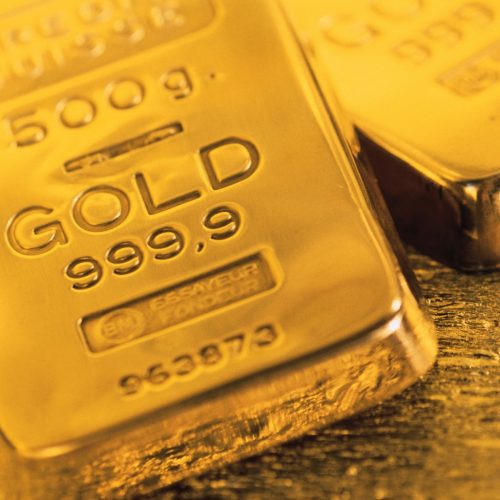
A physical commodity like gold provides protection from inflation and the devaluing of paper currency by better maintaining its value for longer, despite the ups and downs of the market.
Learn how to protect your assets from currency depreciation with gold bullion by visiting our Investor’s Resource Center.
What’s Your Prediction? Where is Inflation Headed?
Leave us a comment below, or join the conversation on Facebook, Twitter and Google+ today.




Leave a Reply