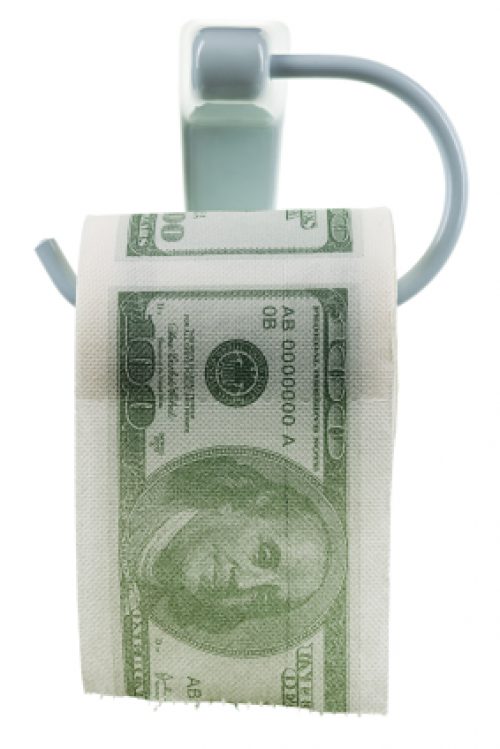
In our last two posts, we touched on the Federal Reserve’s controversial decision – to purchase $40 billion in mortgage-backed securities every month for an indefinite period of time – and the effect it’s having on the gold and silver markets.
News coverage on the monetary stimulus seems to be centered primarily on what the Fed is doing. But what the Fed hopes to accomplish by purchasing these securities – and keeping key interest rates at historic lows through 2015 – remains a bit obscure.
Naturally, our primary concern when it comes to quantitative easing and monetary stimulus is the effect they have on the price of precious metals. After all, when the announcement broke September 13, the price of gold, silver and other metals soared to six-month highs.
However, we haven’t heard much about what it is, exactly, Bernanke & Co. hope to accomplish with the latest round of stimulus (though it’s painfully clear from past interventions that the intended consequences often differ from the actual outcome).
In the Fed’s statement last Thursday, the primary goal of QE-III is to boost home ownership. The theory – known in academia as Keynesian economics – claims that purchasing securities will free up funds, enabling banks to lend money to home-buyers.
In its statement announcing the move, the Fed said the decision will “put downward pressure on longer-term interest rates, support mortgage markets and help make broader financial conditions more accommodative.”
So here’s their theory: Purchasing mortgage-backed securities removes them from a bank’s balance sheet, which in turn boosts lending and spending. With more money to lend, consumers will purchase or refinance homes in greater frequency. This will have a ripple effect on the economy, leading to job creation. Furthermore, it will reassure employers and investors, jump-starting economic recovery.
Well, that’s the theory anyway. Nothing like this has been put into practice.
In fact, the last two stimulus efforts – dubbed QE-I and QE-II – failed to have a meaningful impact on the economy at all. At best, they provided a boost in stocks and precious metals, while unemployment – considered an economic indicator – remained painfully high.
So we know what the Fed hopes to accomplish with QE-III. But what are some of its unintended (and less savory) long-term effects?
According to some schools of economic thought – specifically the Austrian School – monetary stimulus won’t have a meaningful impact on the nation’s employment rates at all.
Since the U.S. central bank (and others across the globe) has attempted to support certain assets – like housing – the imperative “correction” hasn’t taken place.
Rather, excessive “money printing” will kick the can even further down the road, making the inevitable crash that much worse.
In reality, the effect of the stimuli is just more bad investments, which will eventually need correcting, too.
Furthermore (and equally disheartening), rock-bottom interest rates discourage people from saving.
Since savings accounts, CDs and other low-risk, interest-bearing accounts will now be paying even smaller amounts of interest, people are less motivated to save. Why save money (and delay gratification) when you can do a little borrowing and have what you want today?
Another problem with monetary stimulus is its focus on consumer spending, specifically real estate. Turning the focus from investment means there will be fewer funds for businesses to take big risks, which creates much-needed jobs.
Last, but certainly not least, is the effect increased money-printing will have on prices.
As keen observers of the precious metals market, we see this backlash on a near daily basis.
Yet for mainstream Americans, the Fed’s latest decision could have noticeable effects on the prices of necessities. It’s basic economics: the increase (and devaluation) of currency – aka inflation – without an increase in production leads to higher prices.
It’s our sincerest hope that the Fed is right: that the economy, and most importantly job creation, picks up.
But considering the minimal impact of QE-I and QE-II, we won’t be holding our breath.
What do you think?
Will hiring and employment pick up in the coming months?
Or are we looking at a crash down the road?
Tell us what you think in the comments section below or drop us a line on Facebook.




Leave a Reply